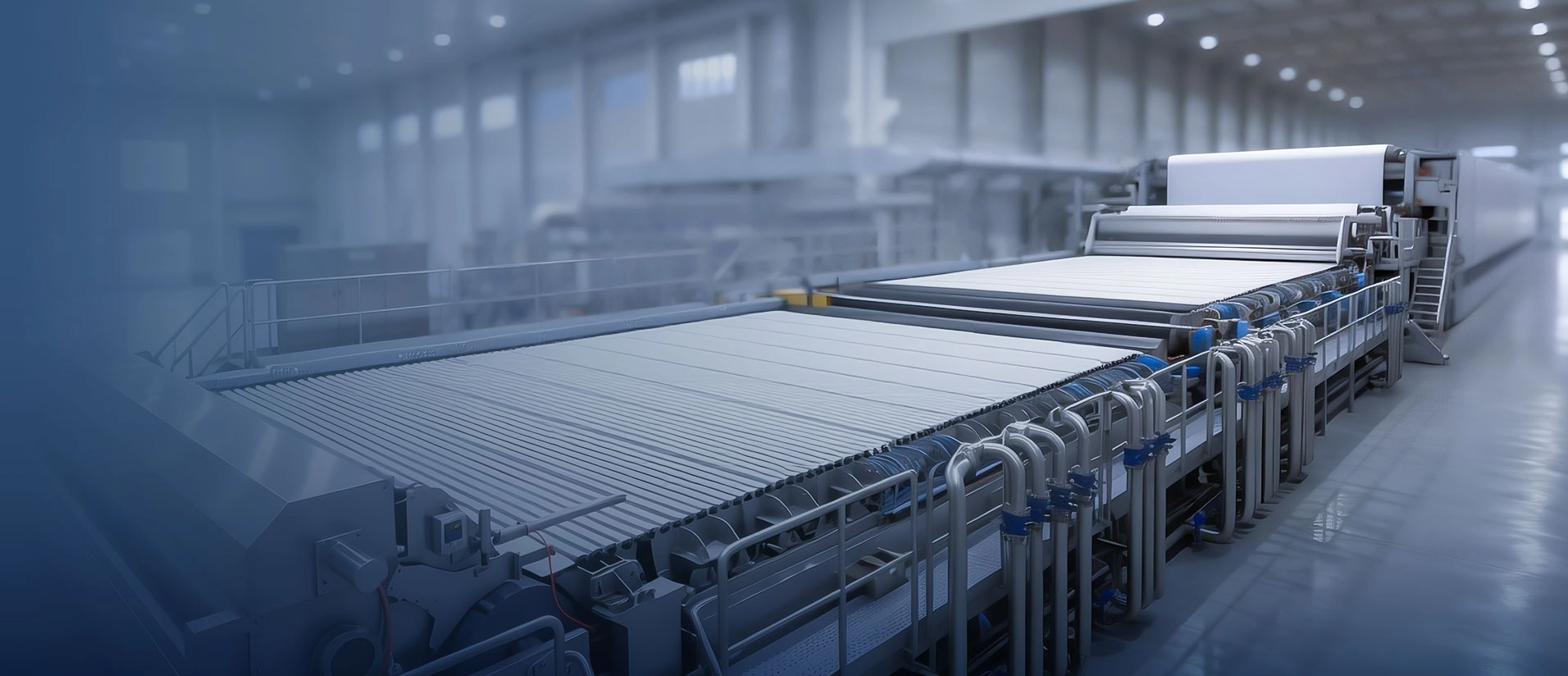
The paper industry is a typical large-scale continuous production sector that places extremely high demands on equipment in terms of wear resistance, corrosion resistance, and operational stability. Dewatering elements in the wet end—such as dewatering plates, forming plates, and vacuum suction box panels—are constantly subjected to friction from high-speed moving pulp and fabrics. Traditional polymer or metal materials are prone to wear and scratching the forming fabric, leading to reduced paper quality and increased energy consumption. Silicon nitride ceramics combine exceptional hardness, self-lubricating properties, and chemical resistance. When used as dewatering element materials, they ensure long-term stability of gap precision, significantly reduce the risk of scratching, extend the service life of forming fabrics, and simultaneously lower drive energy consumption. Compared to polymer materials, each silicon nitride dewatering element system can save paper machines tens of thousands of kilowatt-hours of electricity annually, substantially reducing energy consumption in papermaking and serving as a key pillar of green papermaking technology.
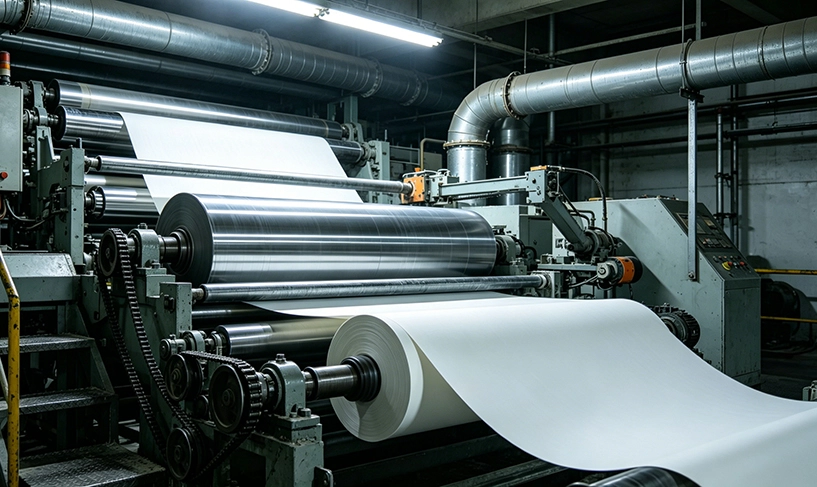
The silicon nitride dewatering module consists of components such as dewatering plates, forming plates, and vacuum chamber covers. Its surface is precision-ground to a roughness of Ra ≤ 0.2 μm, resulting in an extremely low coefficient of friction (approximately 0.1–0.15) with polyester forming wires. It can replace the previously used alumina ceramic or polyethylene plates.
Advantages include:
Energy savings: Reduces the drive load on the wire section by 10–15%;
Extended wire life: Prevents scratching of the forming wire, increasing wire life by 30–50%;
Corrosion resistance: Resistant to acidic and alkaline chemical additives in the wet end of the papermaking process.
By adopting silicon nitride dewatering modules, papermaking companies can significantly reduce energy consumption, minimize wire consumption, and decrease downtime for maintenance without altering their processes, thereby achieving more sustainable paper production.